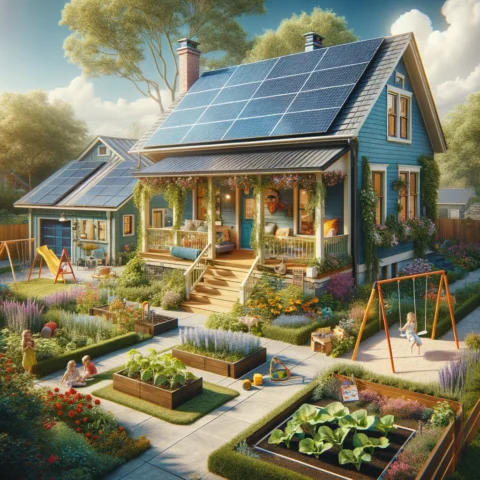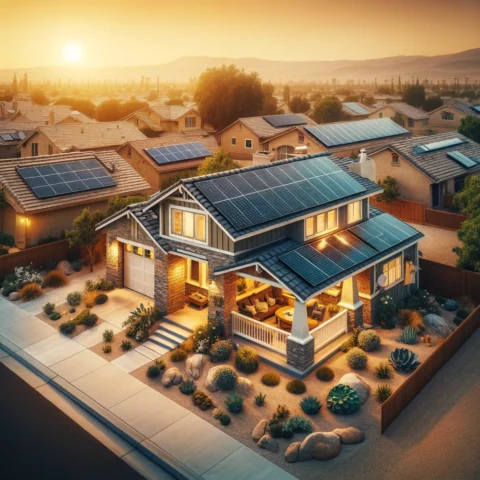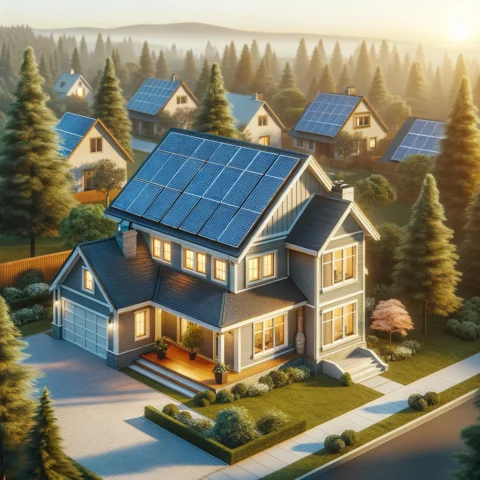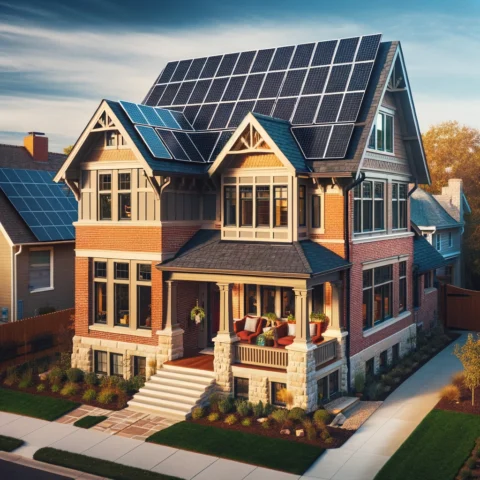
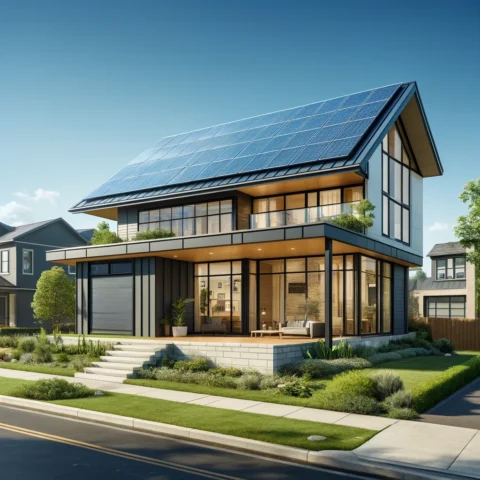

The concept of solar homes, especially in a progressive and technologically advanced city like San Francisco, is not just a trend but a significant shift towards sustainable living. San Francisco, with its commitment to reducing its carbon footprint and improving green living, is an exemplary model for integrating solar energy into urban residences. This exploration of the world of solar homes in San Francisco will explore the reasons for their growing popularity, the benefits they offer, the challenges they face, and the future prospects of residential solar energy.
The rise of solar homes in San Francisco
San Francisco’s push for solar homes has been fueled by a combination of environmental awareness, state and local government incentives, and the city’s natural advantage of sunny days. California’s aggressive renewable energy goals have pushed solar power to the forefront of its green initiatives. San Francisco in particular benefits from the California Solar Initiative, among other programs, offering rebates and incentives to homeowners who choose to go solar.

Advantages of solar powered homes
1. Environmental impact: solar houses significantly reduce dependence on fossil fuels, reducing greenhouse gas emissions and contributing to a healthier planet.
2. Economic savings: Despite the initial investment, solar panels drastically reduce electricity bills. Over time, the savings can be substantial, and systems usually pay for themselves in a few years.
3. Increased property value: Homes with solar installations often have an increase in property value, making them more attractive to environmentally conscious buyers.
4. Energy independence: Solar homes contribute to reducing the load on the grid, offering a level of energy independence and protection from rising utility prices.
Challenges and considerations
While the benefits are compelling, going solar in San Francisco comes with a number of challenges. The initial cost of installing solar panels, although mitigated by tax credits and rebates, can still be significant. Homeowners also have to navigate the permitting process, which can vary in complexity depending on the area. Moreover, the efficiency of solar panels can be affected by San Francisco’s microclimate and urban landscape, including foggy conditions and shading from buildings.
Process navigation
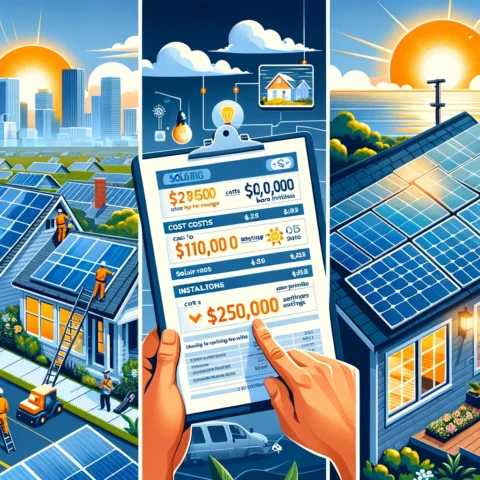
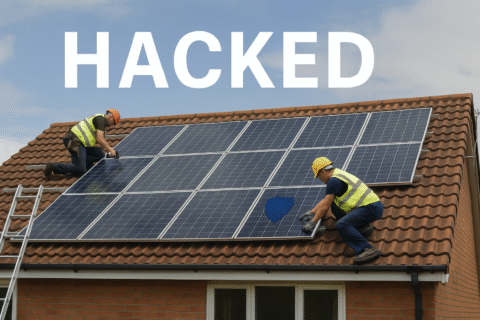
The San Francisco solar panel installation process typically involves an initial assessment to determine the home’s solar potential, followed by choosing the right size and type of system. Funding options are then explored, using state and federal incentives. Once permits have been secured, installation can proceed, culminating in a final inspection and grid connection.
The future of solar homes in San Francisco
The future of solar homes in San Francisco looks bright. Advances in solar technology, including more efficient panels and battery storage solutions, promise to increase the sustainability and appeal of solar energy. In addition, community solar projects and shared renewable energy programs expand access to solar energy, even for those who cannot install panels in their homes.
Community and government support
The success of solar homes in San Francisco is underpinned by strong community support and proactive government policy. Local initiatives, such as the GoSolarSF program, continue to encourage residential solar installations through financial incentives and educational resources. These efforts, combined with California’s broader climate goals, underscore the city’s commitment to a sustainable future.
In short, the move toward solar homes in San Francisco is a testament to the city’s innovative spirit and commitment to environmental care. It shows the potential of urban areas to lead by example in the global shift towards renewable energy, offering lessons in resilience, sustainability and community engagement. As we look to the future, the steady growth of solar homes in San Francisco and beyond offers hope for a greener, more sustainable world.