
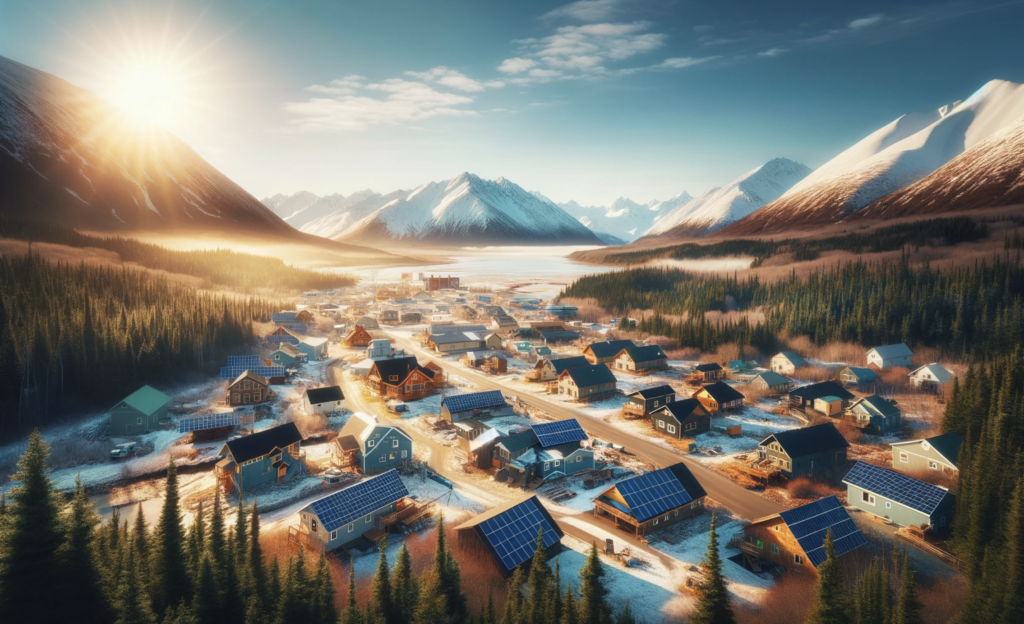
Solar energy usage in Alaska is on the rise, though it’s not yet as widespread as in some other states. According to the Solar Energy Industries Association (SEIA), as of Q3 2023, Alaska had enough solar installations to power 3,907 homes. This is relatively modest compared to many other states, but it’s a significant development for Alaska, which has unique challenges and opportunities due to its high latitude and climate. The state currently ranks 50th in the U.S. for its solar capacity, with a total of 32 megawatts (MW) installed. This represents about 0.41% of the state’s electricity coming from solar power.
The growing interest in solar energy in Alaska is evident in the increasing number of installations. As reported by Alaska Magazine, there has been a significant uptick in grid-tied solar systems in both homes and businesses over the last seven years. This change marks a shift from solar panels being used primarily in remote sites to becoming more mainstream in urban areas. The high energy costs in Alaska are a significant driver for this transition, making solar an increasingly competitive option. It’s estimated that around 400-450 new solar systems are added each year along the 700-mile Railbelt utility corridor between Fairbanks and the Kenai Peninsula.
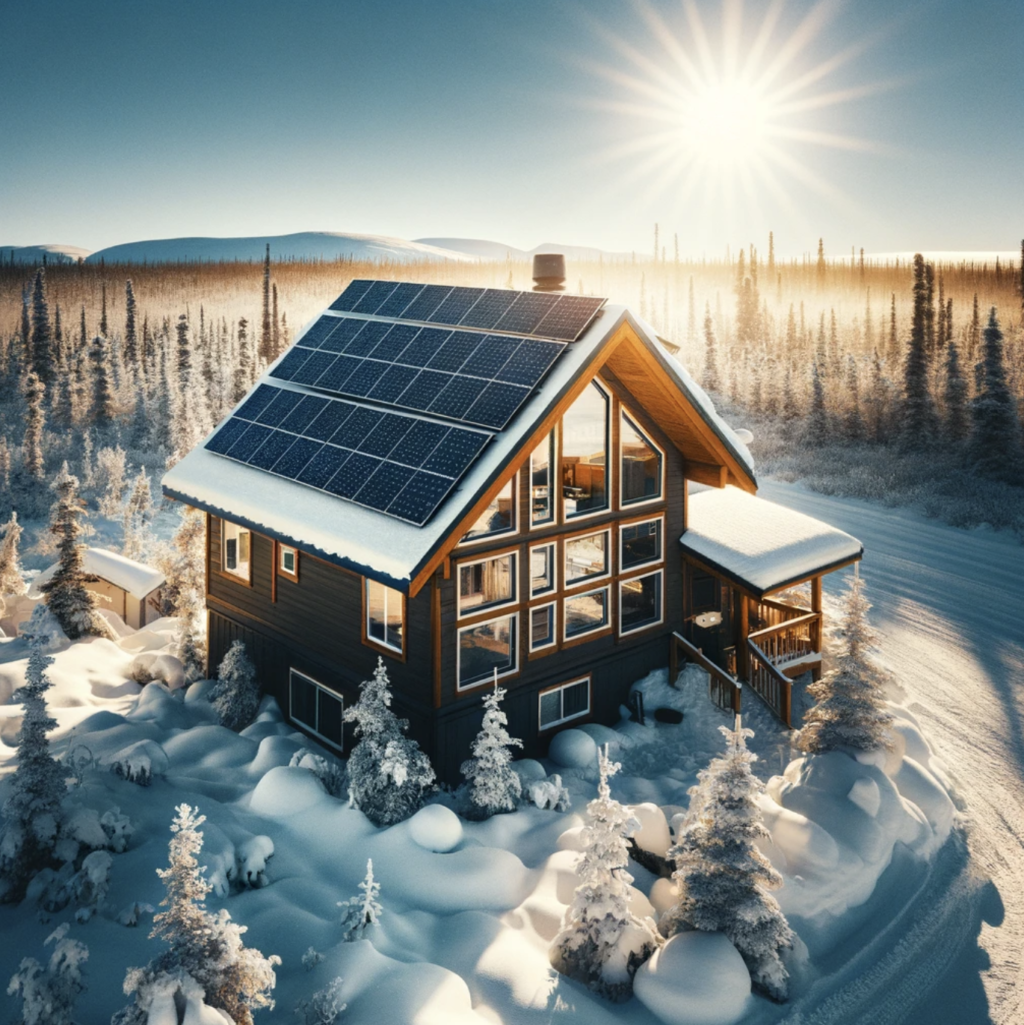
Despite the challenges posed by Alaska’s winter darkness and geography, the state’s long hours of summer daylight and the potential for increased solar production due to sunlight reflecting on snow in spring offer unique advantages. Additionally, solar panels are known to perform efficiently in cold temperatures, which is beneficial for Alaskan conditions.
Overall, while Alaska’s solar energy usage is still in its developmental stages compared to other states, the trend indicates a growing adoption of solar energy solutions among Alaskans, driven by economic factors and the state’s unique environmental conditions.
What’s the Average Coast of Installing Solar Panels on your Home in Alaska
The average cost of installing solar panels on a home in Alaska varies depending on several factors, including the size of your home and the energy requirements. Here’s a breakdown of the average costs you might expect:
Before Incentives: The average cost to install solar panels in Alaska is approximately $14,460 before any financial incentives are considered. This price can range from $9,000 to $16,000, depending on the specifics of your home and energy needs.
After Federal Tax Credit: When the full federal solar investment tax credit (ITC) is applied, the price drops to around $10,122. This tax credit significantly reduces the upfront cost of installing solar panels.
Cost by Home Size: The cost also varies by the size of the solar system, which is usually determined by the size and energy consumption of your home. For example, for a home size of 2,000 – 2,300 sq ft requiring a 6 kW system, the average cost is about $13,114.
Long-Term Savings: Despite the initial cost, many homeowners in Alaska find solar panels to be a worthwhile investment. Over time, solar panels can offer significant savings on energy bills, with many systems paying for themselves within 7 to 9 years. After this payback period, homeowners can enjoy substantial savings over the lifetime of the solar panels.
Factors Affecting Costs: Several factors can influence the total cost of your solar panel installation, such as the quality of the panels, the size of the system, installation fees, permit costs, and the condition of your roof.
Financing Options: There are various financing options available, including upfront purchase, solar loans, solar leases, and power purchase agreements (PPAs), each with its own set of advantages and disadvantages.
Alaska Solar Incentives: It’s important to explore the available solar incentives in Alaska, which can further reduce the cost of installation. These incentives include the federal tax credit and may include local or state-level incentives.
Remember, the actual cost can vary based on individual circumstances and the specifics of the installation, so it’s advisable to get a customized quote for your particular situation.
Can Alaska Get Enough Sun for Solar Panels, Do They work Well in Cold Weather?
Yes, solar panels can work in Alaska and in cold weather conditions, and in some ways, they may even perform better under these conditions compared to hotter climates. Here’s why:
Efficiency in Cold Weather: Solar panels convert sunlight into electricity, and this process can be more efficient in cooler temperatures. Solar cells operate on the principle of photovoltaic (PV) effect, where sunlight excites electrons in a solar panel’s semiconductor material, creating electric current. In cold weather, the movement of electrons in the solar panel’s semiconductor material is more efficient, leading to better energy production.
Sunlight Availability in Alaska: Alaska has long days of sunlight during the spring and summer months, which can be highly beneficial for solar energy production. Cities like Fairbanks and Anchorage experience up to 24 hours of sunlight in the peak of summer, known as the “Midnight Sun” phenomenon. This extended daylight can lead to significant solar energy generation during these months.
Reflection from Snow: Snow can act as a reflector, increasing the amount of sunlight hitting the panels. This can potentially increase the efficiency of solar panels in snowy conditions.
System Design and Installation: In Alaska, solar systems are typically designed to optimize sunlight capture throughout the year. This may involve specific angles and orientations of solar panels to maximize sun exposure during different seasons.
Technology Adaptations: Modern solar panels and systems can be equipped with technologies to mitigate issues related to snow and ice accumulation, like coatings to prevent snow from sticking and systems for melting snow or shedding it from the panels.
Net Metering and Storage: In Alaska, where daylight varies significantly between summer and winter, net metering can be beneficial. Net metering allows excess energy generated during long summer days to be fed back into the grid and used as credits during the winter months. Additionally, solar battery storage systems can store excess energy for use during times of lower sunlight exposure.
Challenges: The major challenge in Alaska, particularly during winter, is the reduced amount of sunlight due to shorter days and the sun’s low position in the sky. However, this is generally compensated for by the extended daylight hours in the summer months.
In conclusion, solar panels are not only capable of working in Alaska and cold weather, but they can also be quite effective. The key is proper system design and installation to maximize the unique advantages that the Alaskan climate offers for solar energy production.