
Fort Myers, Florida enjoys an abundance of sunny days throughout the year. On average, Fort Myers experiences about 271 sunny days annually. This is significantly higher than the national average in the United States, which stands at approximately 205 sunny days per year. This high number of sunny days offers ample opportunities for outdoor activities and enjoying the pleasant weather that Fort Myers is known for.
The adoption of solar energy in Florida has been increasing significantly. Here are some key statistics and facts:
Net Metering Customers: The number of customers in Florida participating in net metering arrangements with utilities, a common measure of residential solar adoption, has seen a substantial increase. Between June 2021 and June 2023, this number doubled from 87,975 to 182,239.
Utility Customer Adoption: Despite the growth in solar installations, the overall penetration of solar energy among utility customers in Florida is still relatively low. As of recent reports, only about 1% of utility customers in Florida have installed solar systems.
Total Solar Installations: Florida has seen over 90,000 solar installations, a significant number that reflects the growing interest in solar energy in the state. This number includes both residential and commercial installations.
These figures illustrate a strong trend towards solar energy adoption in Florida, driven by the state’s favorable climate, supportive policies, and increasing awareness of renewable energy benefits. The growth in net metering customers and the overall number of solar installations indicate a positive shift towards solar energy in the Sunshine State.
Solar panel Cost for an Average home in Fort Myers, Florida
It really varies depending on the size and specifications of the solar panel system. Here are some data points to consider:
A 5 kilowatt (kW) solar panel system, which is a common size for residential installations, would cost approximately $12,200 on average before applying any incentives like the federal investment tax credit (ITC). The ITC can reduce this cost by 30%.
The cost per watt for solar panels in Fort Myers is around $2.55. For a larger, typical 6 kW (6000 watt) solar system, the average cost would be about $10,724 after the 30% federal solar tax credit. This cost is lower compared to the national average of $3.00 per watt for residential solar power systems.
Another estimate suggests that a typical 5.3-kW solar panel system in Fort Myers would cost about $9,457 before applying the 30% federal solar tax credit, with the cost per watt in Fort Myers being $2.53. This cost is slightly lower than the national average, which is $2.66 per watt.
For an average home that requires a larger 9 kW solar system to cover most of its electricity needs, the cost can be around $28,170, considering an average residential price-per-watt of $3.13 in Fort Myers. This cost estimate can vary depending on applicable rebates and other factors.
These prices indicate the range you might expect for different sizes of solar panel systems in Fort Myers, taking into account the available federal tax credits and the local cost per watt. Keep in mind that the exact cost can vary based on specific home requirements, the choice of solar panels, and other installation factors.
Is it Profitable to Install Solar on Your Home in Fort Myers, Florida
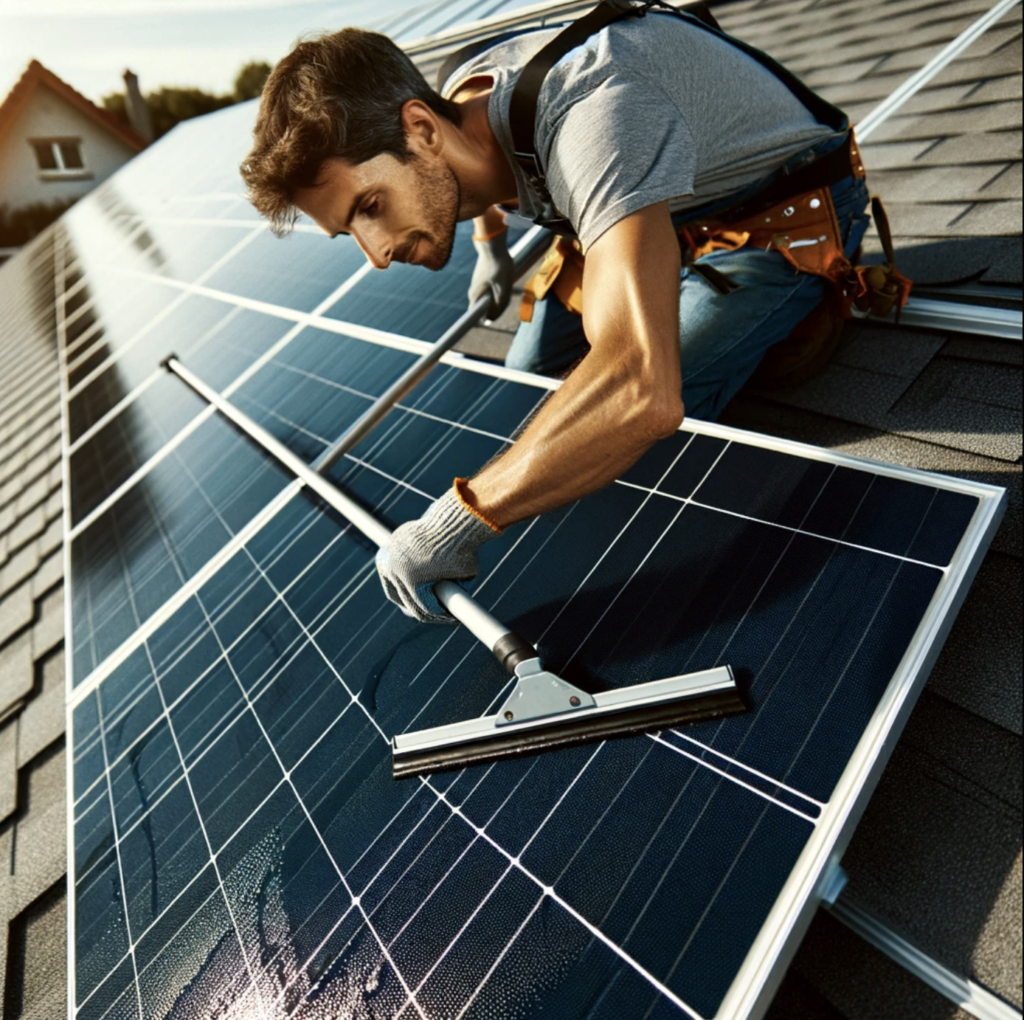
Determining the profitability of using solar panels on your home in Fort Myers, Florida, depends on several factors. Here are the key considerations:
High Number of Sunny Days: Fort Myers enjoys about 271 sunny days per year, which is significantly higher than the national average. This abundance of sunshine can lead to higher solar energy production, making solar installations potentially more profitable in this region.
Cost of Installation: As discussed earlier, the cost of installing solar panels in Fort Myers ranges depending on the system size. For instance, a 5 kW system may cost around $12,200 before incentives, and a larger 9 kW system might be around $28,170. These costs can be substantially reduced with the federal solar tax credit, which deducts 30% of the installation cost.
Electricity Rates and Usage: Compare your current electricity rates and usage with the potential output of a solar system. If your electricity bills are high, and a solar system can meet a significant portion of your energy needs, the savings on your electricity bills can contribute to the profitability of the installation.
Return on Investment (ROI): The ROI for solar panels depends on the initial installation cost, ongoing maintenance costs, the amount of electricity the system generates, and the rate you would have paid for that electricity. In places with higher electricity rates and more sunlight, ROI can be quicker.
Incentives and Rebates: Besides the federal tax credit, check for any state or local incentives, rebates, or solar renewable energy credits (SRECs) that might be available in Florida. These can further reduce the overall cost.
Property Value Increase: Installing solar panels can increase the value of your property. Homes with solar panels often sell for a premium compared to homes without.
Long-Term Perspective: Solar panels are typically a long-term investment. The average solar panel system has a lifespan of 25-30 years, so it’s important to consider long-term savings in electricity costs against the initial investment.
Environmental Benefits: While not a direct financial profit, the environmental benefits of reducing your carbon footprint and using a renewable energy source can be considered an added value.
To assess the profitability for your specific situation, you would need to calculate the total costs (including installation and any maintenance) and compare them with the expected electricity generation and savings over the life of the solar system. Consulting with a local solar provider can give you a more tailored analysis based on your home’s location, roof orientation, and energy needs.

Saving money on solar panel installation in Florida involves several strategies:
Federal Solar Tax Credit: Utilize the federal solar tax credit, also known as the Investment Tax Credit (ITC). This allows you to deduct 30% of the cost of installing a solar energy system from your federal taxes. This credit is a significant financial incentive and directly reduces the overall cost of your solar system.
State and Local Incentives: Florida may offer additional state and local incentives for solar panel installations. These could include rebates, tax credits, or other financial incentives. Check the Database of State Incentives for Renewables & Efficiency (DSIRE) website for the most current information on state-specific incentives.
Solar Renewable Energy Certificates (SRECs): In some regions, you can earn and sell SRECs for the electricity your solar panels generate, providing an additional revenue stream.
Net Metering: Florida’s net metering policy allows you to receive credit for excess electricity your solar panels produce and send back to the grid. This can significantly offset the costs of any grid electricity you use when your system isn’t producing energy, such as at night.
Energy Efficiency Upgrades: Before installing solar panels, make your home more energy-efficient. This can reduce the size (and thus the cost) of the solar system you need. Consider upgrading insulation, windows, appliances, and lighting to more energy-efficient options.
Competitive Bidding: Get multiple quotes from different solar installers. Prices and services can vary significantly, so shopping around and comparing offers can lead to substantial savings.
Financing Options: Explore various financing options. Some companies offer solar leases or power purchase agreements (PPAs), where you pay for the electricity the system produces rather than the system itself. However, buying the system outright or through a loan usually leads to more significant long-term savings.
Group Purchasing or Solarize Programs: Look for group purchasing options in your area. These programs allow a group of homeowners to pool their buying power to purchase solar systems at a bulk rate, which is typically lower than individual purchase prices.
Do Your Research: Educate yourself on solar energy systems and the installation process. Understanding the technology and what you need ensures you are not oversold on a system larger or more complex than necessary.
Maintenance and Warranties: Consider the long-term maintenance costs and warranty options when selecting a system. A system with a good warranty and low maintenance requirements can save money in the long run.
Remember, while initial costs can be high, solar energy systems typically pay for themselves over time through reduced electricity bills and other savings. The long-term financial benefits often outweigh the upfront costs.