As we stepped into 2024, the conversation about renewable energy, especially solar, intensified. Homeowners in Kansas City, Michigan are increasingly considering solar panels as a viable alternative to traditional energy sources. This detailed analysis explores the costs, benefits and overall profitability of installing home solar panels in this region.
Initial investment and installation costs
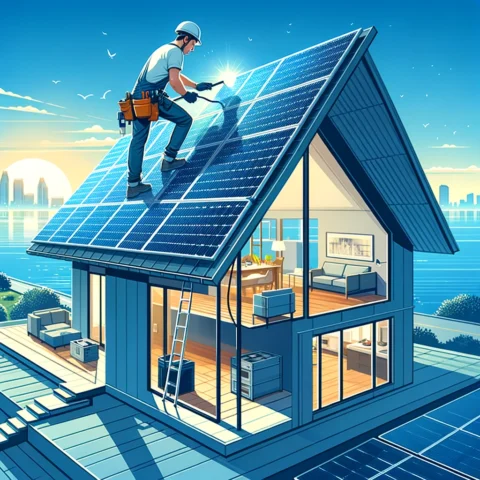
The cost of installing solar panels can vary greatly depending on several factors, including the size of the system (measured in kilowatts, kW), the type of panels, the complexity of the installation, and any additional equipment such as battery storage systems or energy management systems. As of 2024, the average cost of home solar systems in Michigan ranges from $2.50 to $3.50 per watt. For a typical 5 kW residential solar system, homeowners can expect an initial outlay of approximately $12,500 to $17,500 before incentives.
Federal and state incentives
The profitability of solar panels in Kansas City, MI is significantly affected by federal and state incentives. The federal Solar Investment Tax Credit (ITC) offers a deduction of 26% of the total cost of the system, which is set to decrease to 22% by 2024. Michigan may offer additional incentives, rebates and programs to further reduce the initial cost. These incentives can significantly reduce the effective cost of the system, improving the return on investment (ROI).
Energy saving and break-even point
The primary financial benefit of solar panels is the reduction of monthly electricity bills. The average household in Michigan uses about 800 kWh per month. With a 5 kW solar panel system, a significant portion of this demand can be met, leading to monthly savings. Assuming an average electricity price of $0.15 per kWh, solar panels can save homeowners about $1,200 per year in energy costs.
The break-even point, where the savings equal the initial costs, depends on those savings and the final cost of the system after the incentives. For our example, a system costing $13,000 after incentives, with an annual savings of $1,200, would break even in approximately 11 years. This time frame may vary depending on actual energy consumption, system efficiency and future changes in utility rates.
Long-term profitability and environmental impact
Solar panels have a typical lifespan of 25 to 30 years, offering long-term energy savings after the break-even point is reached. Over 20 years, a homeowner could realize net savings ranging from $10,000 to $20,000, depending on system performance and future electricity prices. In addition, solar panels contribute to reducing the carbon footprint, aligning with global sustainability goals and personal environmental values.
Market trends and real estate value
Michigan’s solar energy market is growing, supported by technological advances and increasing environmental awareness. Solar installations can increase property values, making homes more attractive to environmentally conscious buyers. Research shows that homes with solar panels sell faster and for higher prices than those without.
Risks and Considerations
While the benefits are compelling, homeowners should consider the potential risks and challenges. That includes:
Roof suitability
Not all roofs are suitable for solar installations due to orientation, shading or structural issues.
Maintenance Costs:
Although minimal, solar systems require maintenance and periodic repairs.
Insurance: Homeowners should ensure that their system is covered by their home insurance, which may increase premiums slightly.
Bottom line:
Will solar power pay off in Kansas City, MI in 2024?
The decision to invest in solar panels in Kansas City, Michigan in 2024 was influenced by a combination of financial, environmental and personal factors. Financially, the combination of falling installation costs, generous incentives and significant energy savings make solar panels an attractive investment for many homeowners. The environmental benefits, including the contribution to reducing greenhouse gas emissions, add an invaluable dimension to the decision.
While the initial investment is significant, the long-term savings and potential increase in property value make solar panels a cost-effective and sustainable choice for Kansas City residents. Prospective buyers are encouraged to carry out a personalized analysis, taking into account their specific circumstances, energy needs and the unique characteristics of their property.
In conclusion, as we progress through the year 2024, solar energy stands out as not only a viable, but also a financially wise and environmentally responsible option for Kansas City, Michigan homeowners. The key to maximizing the benefits of a solar investment lies in thorough research, taking advantage of available incentives and partnering with reputable solar suppliers to ensure a high-quality installation.