
In the evolving landscape of renewable energy, solar power emerges as a beacon of sustainability and economic sense, particularly for homeowners in Indianapolis, Indiana. As we navigate through 2024, the question of profitability regarding solar panel installation remains pivotal. This analysis delves deep into the factors influencing the cost, savings, and overall return on investment (ROI) for residential solar systems in Indianapolis, providing a clear picture of their financial viability.
Initial Cost and Installation
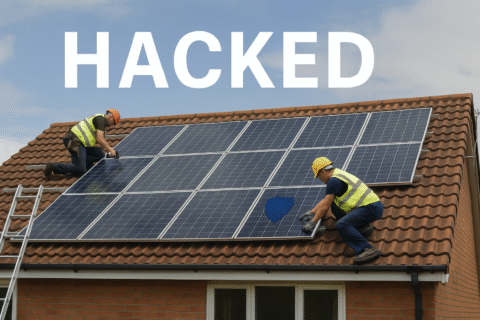
The upfront cost is often the most significant consideration for homeowners pondering solar panel installation. In Indianapolis, the average price for a residential solar panel system hovers around $2.65 to $3.45 per watt, placing a standard 5kW system in the ballpark of $13,250 to $17,250 before incentives. This cost encompasses panels, inverters, mounting hardware, wiring, and professional installation.
Federal and State Incentives
The financial burden of initial installation is mitigated through federal and state incentives. The Federal Solar Investment Tax Credit (ITC) allows for a 26% deduction off the total installation cost, reducing further to 22% by the end of 2024. Indiana may offer additional incentives like net metering, property tax exemptions for solar installations, and rebates, enhancing the system’s affordability and shortening the payback period.
Energy Savings and Payback Period
The cornerstone of solar investment profitability lies in energy savings. Indiana’s average residential electricity rate stands at approximately $0.12 per kWh. A 5kW solar system can produce about 6,000 kWh annually, translating to roughly $720 in yearly savings based on current rates. Consequently, the payback period—where savings offset the initial investment—ranges between 9 and 12 years, factoring in incentives and energy production.

Long-term Profitability
Beyond the payback period, solar panels continue generating value, with most systems designed to last 25 to 30 years. Over two decades post-installation, a homeowner in Indianapolis could net savings between $14,400 and $28,800, considering potential electricity rate hikes. This estimate underscores solar panels as not only a break-even investment but a profitable one over time.
Market Value and Environmental Benefits
Solar panels can increase a property’s market value, with studies suggesting homes with solar installations sell faster and at a premium compared to non-solar homes. Moreover, the environmental return—reducing one’s carbon footprint and contributing to a sustainable future—although not quantifiable in dollars, adds significant value to the investment.
Risks and Variables
Several factors can influence the cost-effectiveness of solar panels, including:
- Roof Suitability: Optimal sun exposure and roof condition are critical for maximizing energy production.
- Energy Consumption: Higher household energy usage increases the potential savings from solar.
- Future Energy Rates: Escalating electricity prices can enhance solar savings over time.
- Maintenance Costs: Minimal yet necessary, maintenance costs can affect long-term savings.
Conclusion: Navigating Solar Investment in Indianapolis
In 2024, the investment in residential solar panels in Indianapolis, Indiana, presents a compelling case for homeowners. With robust federal and potential state incentives reducing the upfront costs, and significant long-term savings on energy bills, solar panels stand out as a financially sound and environmentally responsible choice. The payback period aligns with national averages, and the prospect of enhancing property value further solidifies solar power as a wise investment.
The transition to solar in Indianapolis not only reflects an individual homeowner’s commitment to sustainability but also contributes to the broader shift towards renewable energy in Indiana. While the initial investment may seem daunting, the cumulative benefits, both financial and environmental, paint a future where solar energy is not just profitable, but indispensable.
For those considering this green leap, a detailed, personalized analysis is advisable, taking into account specific household needs, roof conditions, and local incentives. As the solar landscape continues to evolve, staying informed and consulting with solar professionals can maximize the benefits of solar energy, making it a bright investment for 2024 and beyond.