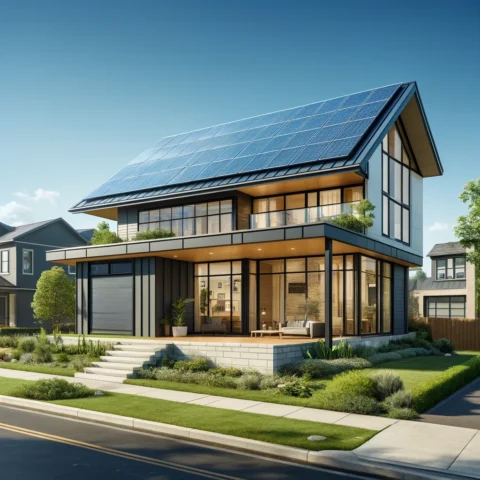

Investing in solar panels is becoming an increasingly attractive option for Charleston, South Carolina homeowners, thanks to the state’s abundant sunshine, favorable policies and financial incentives. This review examines the potential cost-effectiveness of solar installations in the area, taking into account costs, savings and benefits in 2024.
Initial investment and installation costs
Average Costs: The cost of installing solar panels can vary depending on the size of the system, the type of panels and the specific needs of the home. According to recent data, the average price in South Carolina ranges from $2.50 to $3.50 per watt. For a typical 6kW system, this means an initial investment of approximately $15,000 to $21,000 before incentives.
Factors that affect costs: The size of the roof, configuration and the need for additional upgrades can affect the total cost. Choosing between different types of solar panels (monocrystalline, polycrystalline or thin-film) also affects the cost and efficiency of the system.

Incentives and rebates
Federal Solar Investment Tax Credit (ITC): Homeowners can reduce upfront costs by taking advantage of the ITC, which allows a percentage of the cost to be credited toward federal tax liability.
State Incentives: South Carolina may offer additional incentives, including state tax credits, rebates, or other financial benefits that can further reduce initial outlays.
Net metering: This policy allows homeowners to sell excess electricity generated by their solar panels back to the grid, offsetting the cost of electricity they consume from utilities.
Energy saving
Lower utility bills: The primary financial benefit of solar panels is a significant reduction in monthly electricity bills. By generating their own energy, Charleston homeowners can save thousands of dollars over the life of their solar panel system.
Breakeven point: Analysis of the breakeven point, where the energy cost savings exceed the initial investment, is crucial. This period can vary, but usually ranges from 7 to 12 years, depending on the specifics of the installation and usage patterns.
Long-term benefits and profitability
Increased property value: Homes equipped with solar panels often see an increase in property value, making solar investments worthwhile in the event of a sale.
Durability and Warranty: Modern solar panels are durable and come with warranties that typically last 25 to 30 years, ensuring they produce electricity and savings many years after the initial investment is recouped.
Environmental impact: Although not a direct financial benefit, the environmental impact of the transition to renewable energy contributes to a broader societal shift towards sustainability, which can have long-term economic benefits.

Market trends and future projections
Cost reduction and technological progress: The cost of solar installations is decreasing, and as technology advances, systems become more efficient and cheaper.
Energy prices: The profitability of solar panels is also affected by future electricity prices, which are expected to rise, increasing the savings potential over time.
For Charleston, South Carolina homeowners, investing in solar panels in 2024 is likely to be a long-term profitable decision. A combination of federal and state incentives, significant savings on utility bills, and potential increases in property values add to the financial viability of solar installations. While the initial cost can be substantial, the long-term benefits, both financial and environmental, make solar panels an attractive investment for those looking to reduce their energy costs and carbon footprint.
A detailed, personalized analysis, taking into account specific home characteristics, available incentives at the time of installation, and current energy consumption, would provide a more accurate estimate of the cost-effectiveness of installing solar panels in Charleston in 2024.