


Ohio, often characterized by its diverse climates and industrial heritage, might not be the first place that comes to mind when considering solar energy. However, the question of whether solar panels work in Ohio and their profitability is becoming increasingly relevant as the state, and its residents look towards sustainable and cost-effective energy solutions. This post explores the feasibility of solar energy in Ohio, focusing on the state’s solar potential, economic considerations, and the incentives available to those considering making the switch to solar power.

Solar Potential in Ohio

Contrary to popular belief, Ohio receives an ample amount of sunlight to make solar energy a viable option. According to the National Renewable Energy Laboratory (NREL), Ohio has an average solar insolation value that is conducive to solar power generation. While it may not receive as much sun as states like Arizona or California, the sunlight in Ohio is sufficient for solar panels to produce energy efficiently. The key is the quality of the solar panels and the system’s design to maximize the capture of available sunlight.

Economic Considerations

The initial cost of installing solar panels is often the most significant barrier for homeowners and businesses. However, the price of solar installations has been steadily decreasing over the years, making it more accessible. In Ohio, the cost per watt of solar energy is competitive with the national average, and when you factor in the long-term savings on electricity bills, the investment becomes increasingly attractive.

Solar panels typically have a lifespan of 25-30 years, and most systems pay for themselves well within this timeframe through reduced utility bills. Additionally, solar panels can increase property value, making them a wise investment not just for environmental reasons but also from a real estate perspective.

Incentives and Rebates

To encourage the adoption of solar energy, Ohio offers several incentives and rebates for solar panel installations. The federal solar investment tax credit (ITC) allows homeowners and businesses to deduct a portion of their solar installation costs from their federal taxes. This incentive significantly reduces the upfront cost and accelerates the payback period.

Ohio has also adopted net metering policies, which allow solar panel owners to sell excess electricity back to the grid, further offsetting the costs of installation and usage. Additionally, there may be local incentives and rebates available depending on one’s location within the state.

Conclusion

Solar panels can indeed work in Ohio and can be a profitable and sustainable energy solution for those willing to make the initial investment. With adequate sunlight, declining installation costs, and generous incentives, solar energy in Ohio is not just feasible but also economically attractive. As the state continues to advance its renewable energy policies, the prospects for solar energy in Ohio look increasingly bright. Residents and businesses alike are encouraged to explore their solar options, contributing to a greener future for the Buckeye State and reaping the financial benefits of clean, renewable energy.

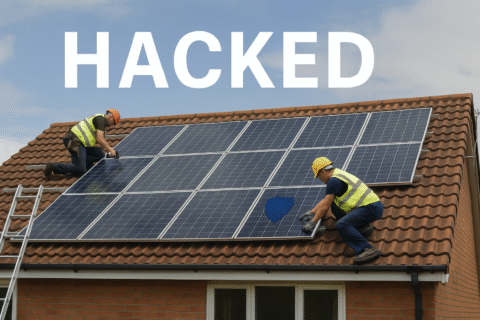
ohio solar panel house

You have several options for purchasing and installing solar panels in Ohio, from local solar companies to national providers that operate in the state. Here are some steps and tips to guide you:

1. Research local solar installersLocal Solar Companies: There are many reputable solar installers based in Ohio that specialize in residential and commercial solar installations. Local businesses often have a good understanding of the specific incentives, regulations, and best solar solutions for that area’s Ohio climate.
Online Directories: Use online directories such as SolarReviews, EnergySage, or the Solar Energy Industries Association (SEIA) to find highly rated solar installers in your area. These platforms allow you to compare different companies based on customer reviews, services offered and certifications.

2. Consider national service providers
National Solar Suppliers: Companies such as Sunrun, Tesla, and Vivint Solar operate in Ohio and offer comprehensive solar installation services. These providers often have competitive pricing and financing options due to their size.
3. Compare the quotes
Get multiple quotes: It’s a good idea to get quotes from several companies to compare costs, warranties, and equipment options. This will also give you an advantage in negotiating the best deal.
4. Check out the testimonials and reviews
Certifications: Look for installers certified by the North American Board of Certified Energy Professionals (NABCEP), the most respected certification for solar professionals in the US.
Customer reviews: Check customer feedback on platforms such as Google, Yelp, and the Better Business Bureau (BBB) to gauge a company’s reliability and service quality.

5. Research funding and incentives
Federal Solar Tax Credit: Take advantage of the Federal Solar Tax Credit (ITC), which allows you to deduct a percentage of the cost of installing solar panels from your federal taxes.
State and local incentives: Ohio may offer additional incentives, rebates or financing programs for solar energy systems. Research or ask your installer about state-specific incentives that may further reduce your costs.

6. Ask about warranties and post-installation support
Warranties: Make sure the company offers strong warranties for its equipment and work. This protects your investment and provides peace of mind.
Maintenance and Support: Ask about the company’s policy on post-installation support and maintenance services to keep your system running efficiently.
Starting points

solar panels on house in ohio

Here are some cities and areas in Ohio where you might want to start your search for solar panel suppliers and installers:

Columbus
Cincinnati
Cleveland
Dayton
Toledo
By following these steps, you’ll be well on your way to finding a reliable solar panel supplier and installer in Ohio. Remember, investing in solar power not only contributes to a sustainable future, but can also offer significant savings on your energy bills in the long run.


Shares: