
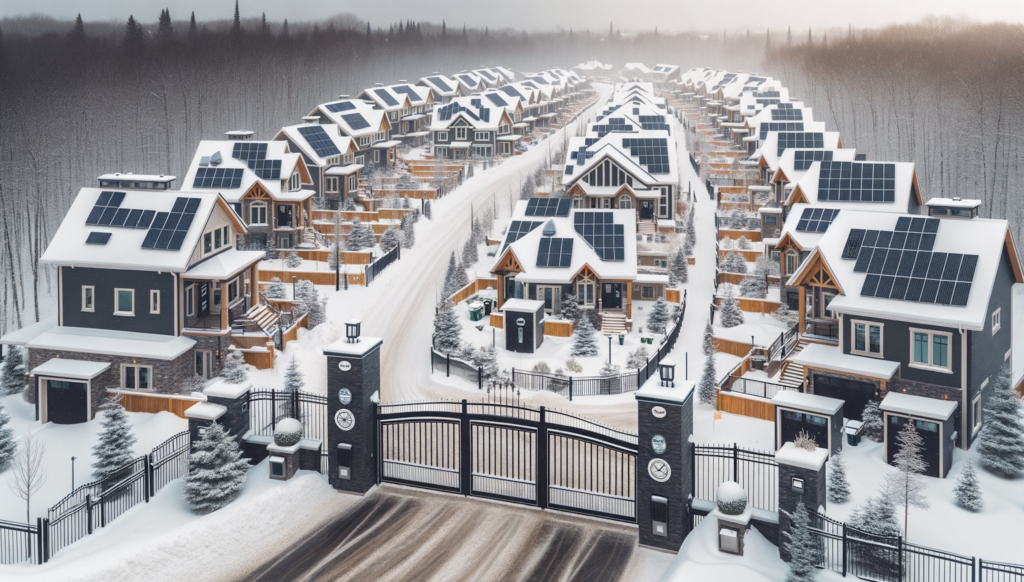
The solar energy sector in Canada has seen significant growth over the past several years. As of the latest available data, there are more than 43,000 solar (photovoltaic – PV) energy installations across the country. These installations are found on residential, commercial, and industrial rooftops, directly providing power to these buildings. Ontario, in particular, accounts for a substantial portion of Canada’s solar power generation, making up for 98% of the country’s solar energy production. Additionally, major solar energy projects, the largest of which are located in Alberta and Ontario, contribute to the country’s renewable energy capacity.
This rapid expansion of solar energy in Canada reflects a growing trend towards renewable energy sources, with solar capacity in the country growing eight times and solar generation increasing nineteen times between 2011 and 2021. Notably, Alberta and Saskatchewan are recognized for having the highest solar photovoltaic generation potential in Canada. The Claresholm Solar PV farm in Alberta, for example, is a significant project with 477,000 panels powering 33,000 households. Moreover, the Travers Solar project in Alberta is currently the largest solar farm in Canada, covering 3.3 thousand acres with a generating capacity of 465 megawatts.
Overall, the future of solar power in Canada looks promising, with continued development and expansion of new solar projects across the country. The federal government’s investment in renewable energy, including solar, is further accelerating this growth and contributing to Canada’s efforts in reducing greenhouse gas emissions and moving towards a more sustainable energy future.
What’s the Average Coast of Installing Solar Panels on your Home in Canada
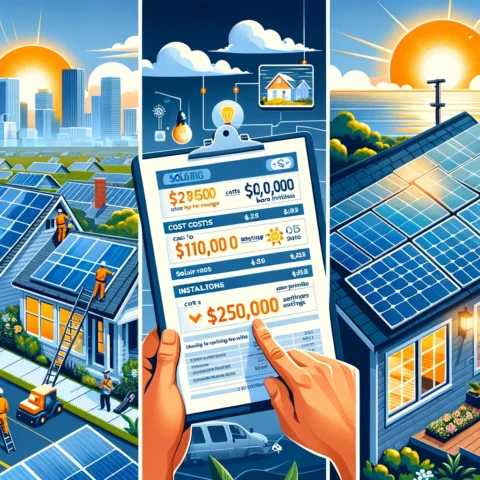
The average cost of installing a solar panel system on a Canadian home can vary significantly based on several factors, including the size of the system, the type of panels used, and the specific location within Canada. However, a general estimate can be provided based on available data:
Average System Size: For an average Canadian home, the size of the solar panel system typically ranges from about 5 kW to 10 kW. This size range is sufficient to cover a significant portion of the electricity needs of a typical household.
Cost Per Watt: The cost of solar panels in Canada typically ranges from CAD 2.50 to CAD 3.50 per watt.
Total Installation Cost: Based on these figures, the total cost of installing a solar panel system on an average Canadian home can be estimated as follows:
For a 5 kW system: CAD 12,500 to CAD 17,500 (5,000 watts x CAD 2.50 to CAD 3.50 per watt)
For a 10 kW system: CAD 25,000 to CAD 35,000 (10,000 watts x CAD 2.50 to CAD 3.50 per watt)
Additional Factors: These estimates can vary depending on additional factors such as:
Geographical Location: Solar installation costs can vary by province due to differences in labor costs, the availability of solar incentives, and the amount of sunlight received.
Type of Solar Panels: Higher-efficiency panels or panels from premium brands may cost more.
Installation Complexity: The complexity of the roof and the installation process can affect the total cost.
Incentives and Rebates: Government incentives, rebates, and tax credits can significantly reduce the net cost of installation.
Net Metering and Return on Investment: It’s also important to consider the availability of net metering programs and the potential savings on electricity bills. In many cases, the return on investment for solar panels can be quite favorable, especially over the long term.
These figures provide a general estimate. For a more precise quote, it’s recommended to consult with local solar installers who can assess the specific needs and conditions of the home.
Can Canada Get Enough Sun for Solar Panels, Do They work Well in Cold Weather?
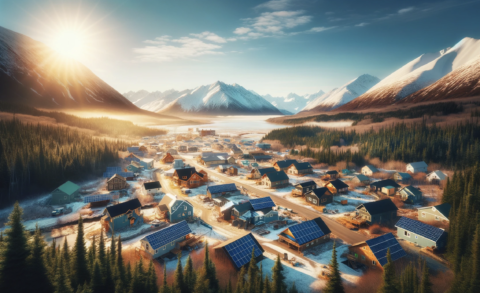
Yes, solar panels can and do work effectively in Canada, including in the country’s diverse weather conditions. Here’s how and why solar panels are suitable for Canadian climates:
Efficiency in Cold Weather: Contrary to common belief, solar panels can perform better in cold weather than in hot climates. Solar panels convert sunlight into electricity, and this process is more efficient at cooler temperatures. Cold, clear days can often result in very effective solar energy generation.
Sunlight in Canadian Regions: While Canada is known for having long winters and less annual sunlight compared to more southern regions, many parts of Canada still receive ample sunlight to make solar power viable. For example, southern regions of Canada, such as Ontario and Alberta, receive more sunlight than some parts of Germany, which is a global leader in solar energy.
Snow Reflection: Snow can actually help with solar panel efficiency. The reflective nature of snow can increase the albedo effect, which means more light is reflected onto the panels from the surrounding environment.
Solar Panel Technology: Modern solar panels are designed to withstand various weather conditions, including snow, rain, and cold temperatures. Additionally, many solar panels have anti-reflective coatings to maximize light absorption.
Grid Parity and Net Metering: In regions with net metering policies, excess electricity generated by solar panels can be fed back into the grid, providing credit for times when solar production is lower (like during winter months). This can make solar systems financially viable.
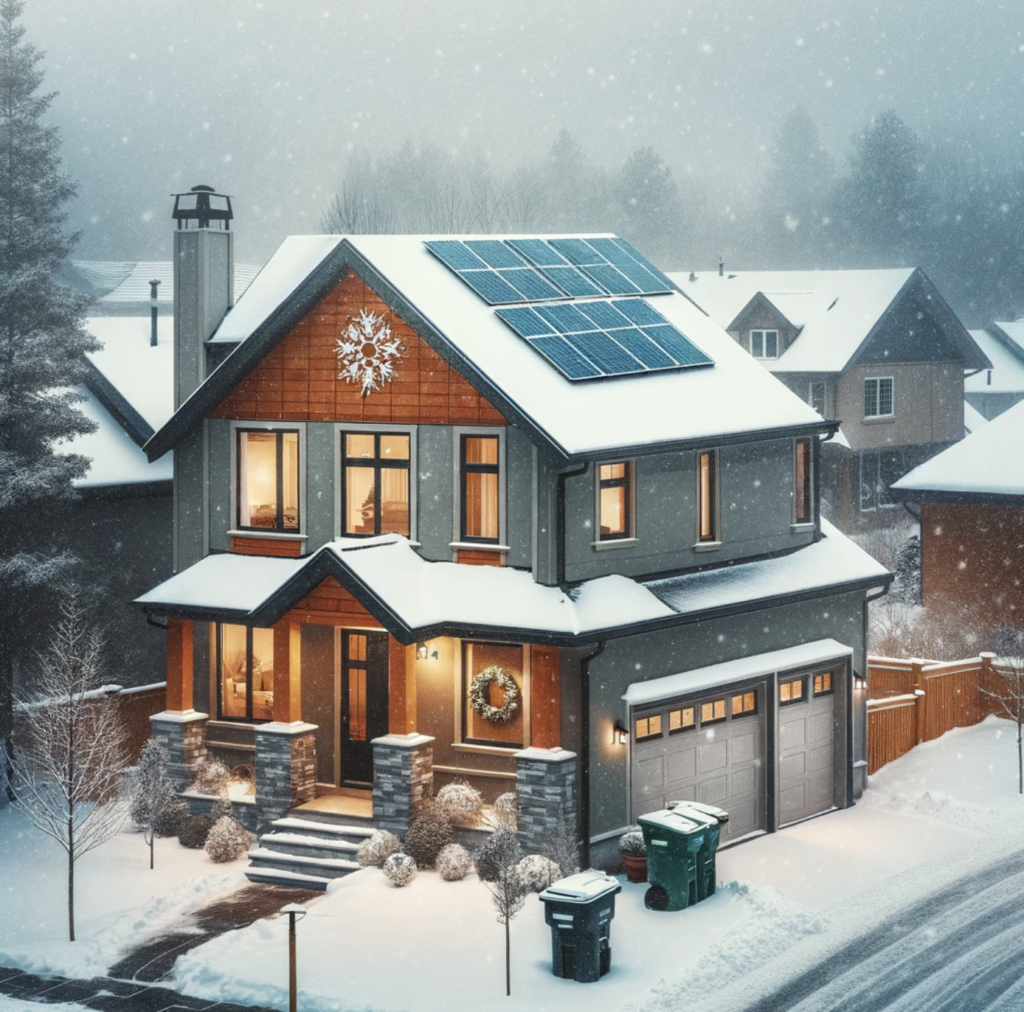
Winter Challenges: One challenge during Canadian winters is shorter daylight hours and snow coverage on panels. However, solar panels are typically installed at an angle, helping snow to slide off, and systems can be sized to account for lower winter production.
Diverse Solar Applications: In Canada, solar energy is used in a variety of applications, from residential and commercial rooftop systems to large solar farms. The technology and scale can be adapted to suit different needs and locations.
Government Incentives: Canadian federal and provincial governments offer various incentives and rebates for solar panel installations, making it a more attractive investment for homeowners and businesses.
In summary, solar panels are not only viable in Canada but are becoming increasingly popular as a clean and renewable energy source. Despite the challenges posed by Canadian winters, the technology is well-equipped to handle diverse weather conditions and can offer a sustainable and cost-effective solution for energy needs.